The Role of Interactive Art in Modern Galleries

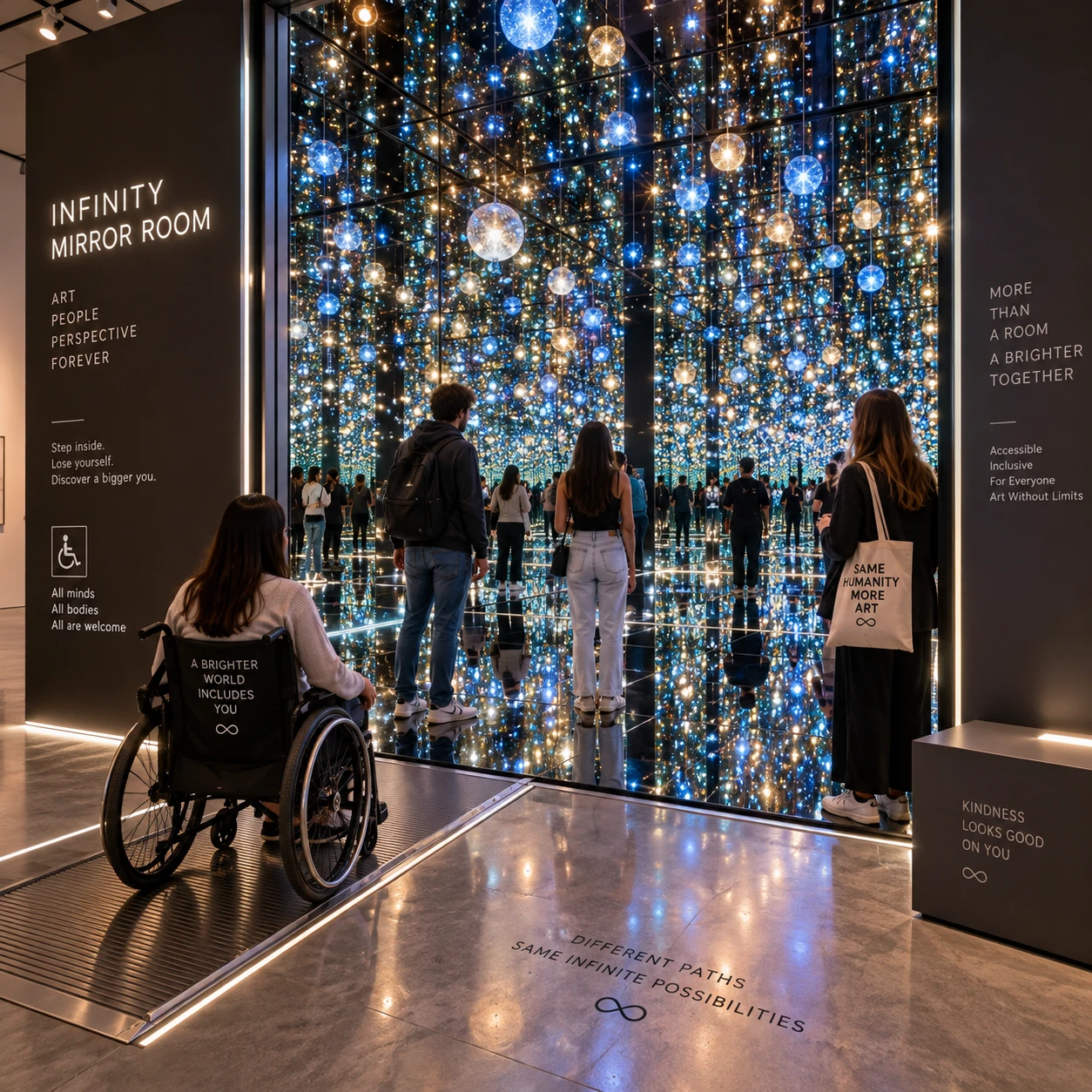
In a traditional gallery, visitors often look, read, and move on. Interactive art changes that rhythm by inviting people to influence, enter, or respond to a work. In modern galleries, participation can make the visitor’s presence part of the experience while raising practical questions about access, care, and shared space.
An Infinity Mirror Room offers a vivid way to consider these questions. A proposed installation at the Art Gallery of Ontario (AGO) could connect an intimate encounter with a larger public experience. It is an idea, not a completed project; its realization would depend on artistic planning, gallery considerations, and community support.
From viewing art to taking part
Interactive art invites visitors to become active participants rather than only observers. Their movement, choices, voices, or presence may affect how a work appears or unfolds, making each encounter a distinct part of the artwork’s meaning.
Participation can take many forms. A visitor might walk through an installation, change a projection by moving nearby, contribute a mark to a collective artwork, or choose how to navigate a digital piece. Some works ask for direct action; others simply make the viewer’s position and perception essential. Interaction does not have to mean pressing a button.
For contemporary artists, this approach can shift authorship into a relationship between the artist, the work, and its audience. The artist still establishes the materials, structure, and boundaries, but visitors help activate the piece. That exchange can encourage close attention: a person may notice how their movement changes a shadow or how another visitor alters the atmosphere.
There is a trade-off. A work designed around participation may feel less predictable than a static object, and visitors can approach it in ways the artist did not intend. Clear cues and thoughtful design help communicate what is welcome without turning a gallery visit into a set of instructions.
Why immersive art resonates with audiences
Immersive art can draw attention by engaging the senses and placing visitors inside a carefully shaped environment. Its scale, light, sound, and spatial effects encourage people to explore, while leaving room for personal interpretation rather than prescribing one response.
Unlike a painting viewed from a fixed point, an immersive installation often changes as visitors move through it. A reflection, sound, or shift in perspective may become noticeable only after a pause or a second look. This can slow the visit and make the body part of how the artwork is understood.
That openness matters. One person might experience an installation as playful; another might find it quiet, disorienting, or contemplative. Galleries can provide context through labels, artist statements, and staff interpretation, but they cannot guarantee a particular emotional response. The value lies partly in giving visitors the space to form their own readings.
Immersive work can also create a social experience. Visitors may notice one another in reflections, share discoveries, or discuss what they saw after leaving. Yet a popular installation can bring queues and crowding. Attention and access depend on practical choices such as timed entry, visit duration, and how the work sits within the wider gallery.
What interactive art asks of galleries
Interactive art asks galleries to plan for participation as carefully as they plan for display. Accessibility, visitor flow, artwork care, and shared use of space all shape whether an installation can work well for different people.
Access begins with the visitor’s options. Can someone using a wheelchair enter and navigate the space? Are instructions available in clear language? Can a visitor engage without touching, standing for long periods, or tolerating intense light or sound? No single design meets every need, but consultation and alternative ways to experience a work can reduce barriers.
Visitor flow needs equal care. Galleries may need to consider capacity, entry timing, waiting areas, and how long each person can spend inside. A queue can become part of the public experience, but it can also block nearby works or discourage visitors with limited time. Staff guidance should protect both the installation and the comfort of people waiting.
Care requirements depend on the materials and the artist’s intent. Surfaces may need frequent cleaning; sensors or projectors may require checks; and the gallery must decide what kinds of touch or movement are permitted. These details should be settled with the artist and conservators before opening, not improvised once visitors arrive.
Common missteps include treating interactivity as permission to touch everything, relying on technology without a maintenance plan, or assuming that one route suits all visitors. Clear boundaries, staff training, and accessible alternatives make participation more welcoming while respecting the artwork.
The Infinity Mirror Room as a case study
An Infinity Mirror Room uses mirrored surfaces and carefully placed light to create an environment that appears to extend beyond its physical dimensions. As a case study in interactive art, it connects an individual visitor’s perception with a shared space shaped by other people’s presence.
Inside a mirrored room, the visitor becomes part of what they see. A small movement can multiply across reflections; the number of people in the room can change its visual character. The effect depends on the installation’s design, and the work’s meaning would come from its artistic choices, not simply from the spectacle of mirrors.
The room also makes gallery planning visible. Reflections can create a sense of boundlessness, while the actual space has firm limits: an entrance, a capacity, and a set amount of time for each visit. Lighting, safety, accessibility, and visitor supervision would all need consideration. Those constraints do not diminish the experience; they help make it possible for people to encounter the work responsibly.
As a collective experience, the room offers a useful question: how does a place feel both personal and shared? Each visitor sees a distinct arrangement of reflections, yet everyone occupies the same installation. The artwork can therefore prompt attention to perception, presence, and the subtle ways a crowd changes a space.
Bringing the idea to the AGO
A proposed Infinity Mirror Room at the Art Gallery of Ontario could give visitors a chance to encounter interactive art through reflection, movement, and shared presence. The project should be understood as a campaign vision, not as an installation that already exists at the AGO.
The AGO is a major public art institution in Toronto, and a project there would need to fit the gallery’s artistic, operational, and accessibility requirements. The specific design, materials, schedule, and visitor experience would depend on decisions made with the relevant artists and gallery teams. Avoiding promises about those details keeps the proposal honest while allowing its central aim to be clear: to invite public participation in an immersive artwork.
A compelling proposal explains what visitors might encounter and how the project would serve an artistic purpose. It can describe the role of mirrors and light, the relationship between individual perception and a group, and the questions the work hopes to raise. It should also make room for practical realities, including safe access, capacity, and the care of the installation.
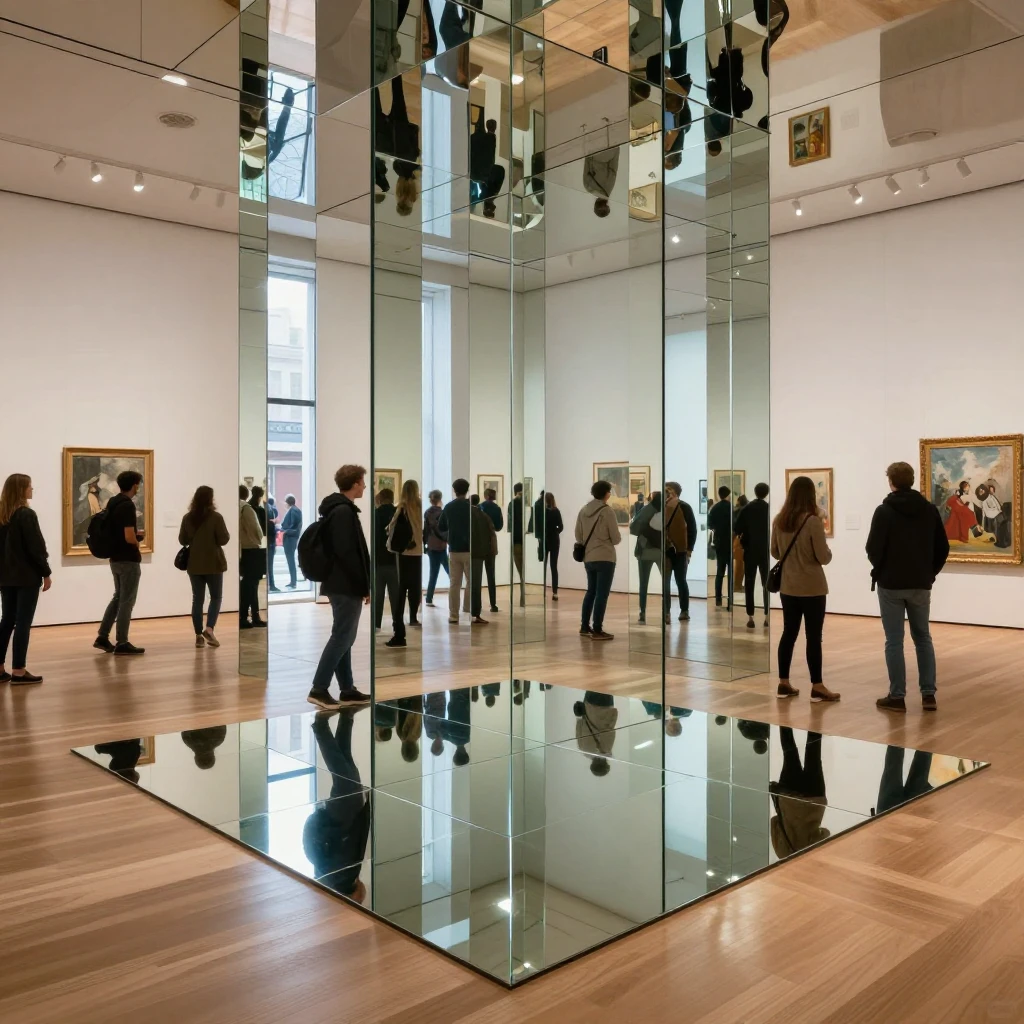
For audiences, the idea connects contemporary art to a familiar act: seeing oneself in relation to others. For the gallery, it represents a chance to consider how an immersive work can complement a collection and invite new forms of attention. Whether that vision becomes a public installation depends on collaboration and resources.
How crowdfunding can help make it possible
Crowdfunding can help an ambitious interactive artwork move from proposal toward realization by gathering financial support from a community of interested people. It can also build awareness, although a campaign cannot by itself guarantee that the project will be completed or presented.
For a proposed AGO Infinity Mirror Room, supporters could help fund eligible project costs as defined by the campaign, such as development, materials, fabrication, or public programming. The campaign should state its funding goal, explain how contributions will be used, and outline what happens if costs or timelines change. Those specifics let potential supporters assess the proposal rather than relying on enthusiasm alone.
Community funding has an artistic dimension, too. A campaign invites people to take part before they enter the work, linking public interest to a project built around participation. That connection is meaningful, but it does not mean contributors control the artwork. The artist’s creative decisions and the gallery’s responsibilities remain important.
Successful fundraising also requires transparency about uncertainty. Production costs, approvals, technical needs, and schedules can evolve. Regular updates and clear explanations of milestones help maintain trust, especially if the project changes. Crowdfunding works best as one part of a broader plan involving artistic development, institutional coordination, and careful delivery.
Interactive art changes a gallery visit by making attention and presence part of the encounter. An Infinity Mirror Room proposed for the AGO could bring that idea into focus, joining individual perception with a shared public space. Crowdfunding offers one possible route toward making the vision real, provided that the campaign pairs its invitation with practical planning and honest communication.