How the AGO Crowdfunded a Yayoi Kusama Infinity Mirror Room

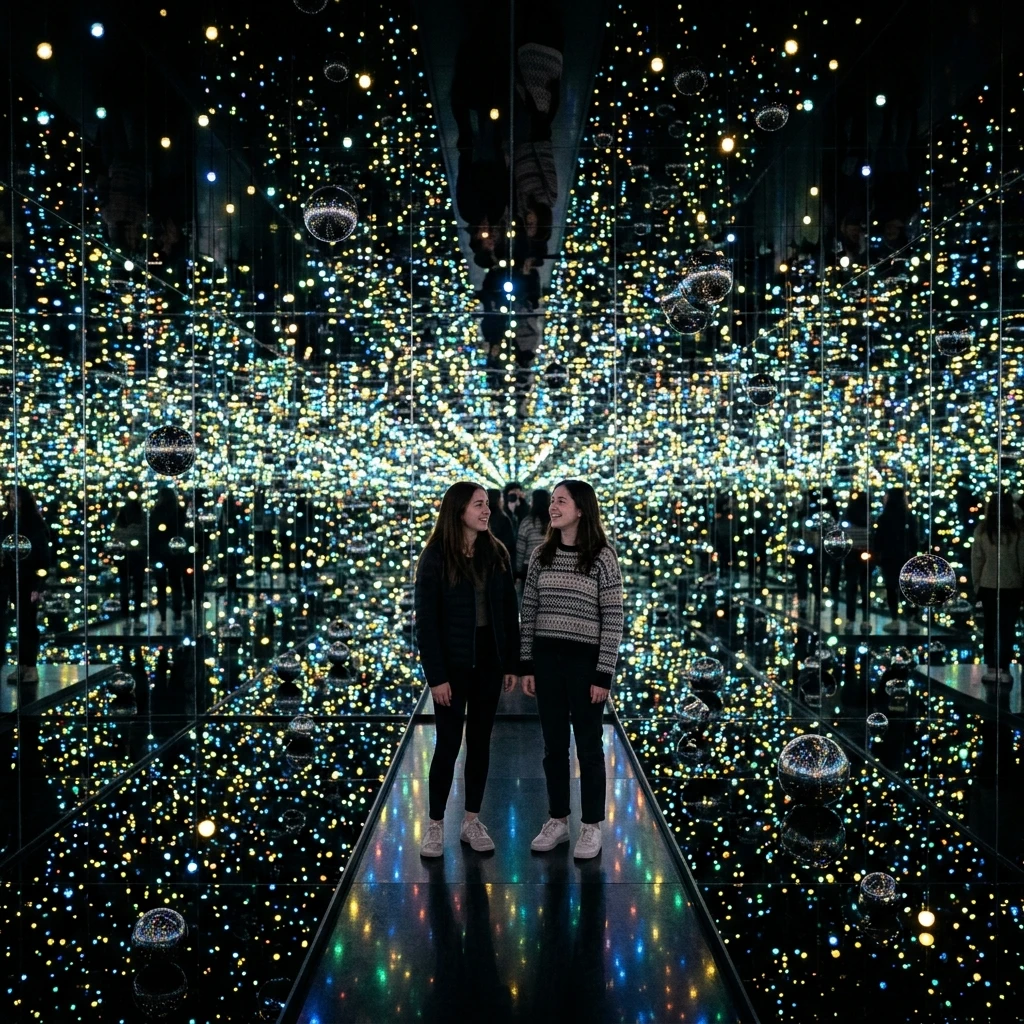
The Art Gallery of Ontario’s effort to acquire a Yayoi Kusama Infinity Mirror Room connected a major contemporary artist with a distinctly public question: how can a museum bring an ambitious work into its collection with its community involved? The AGO used a crowdfunding campaign to invite people to support the pursuit of a Kusama masterpiece, making the acquisition journey part of the story.
The campaign is best understood as a shared effort, not a simple equation in which public donations alone purchased the artwork. Without confirmed details about its total cost, fundraising target, or precise financing, those specifics should not be assumed. What can be considered is the larger purpose: building the AGO’s collection while giving supporters a tangible way to take part.
The AGO’s ambition to bring Kusama’s work to the museum
The AGO pursued a Yayoi Kusama Infinity Mirror Room to strengthen its contemporary art collection and make a significant artist’s work available to museum visitors. The campaign placed that ambition in public view and invited people to support the museum’s acquisition effort.
Kusama has spent decades developing an influential artistic practice across painting, sculpture, performance, installation, and other forms. Her Infinity Mirror Rooms are among her most recognizable works, but their popularity sits alongside a deeper artistic history. They engage with repetition, perception, space, and the boundaries between a viewer and an artwork.
For the Art Gallery of Ontario, acquiring a work by Kusama could broaden the stories its collection tells about contemporary art. A collection is shaped by more than individual objects: choices about what to acquire affect which artists and ideas visitors can encounter over time. An acquisition also carries practical responsibilities, including conservation, installation, interpretation, and planning for public access.
The campaign connected those long-term responsibilities with an immediate invitation. Rather than presenting collection-building as something that happens only behind museum doors, the AGO gave supporters a way to follow and contribute to a specific goal.
What makes an Infinity Mirror Room distinctive
A Kusama Infinity Mirror Room is an immersive installation in which mirrors multiply light, colour, objects, or reflections to create an enveloping visual environment. The effect depends on the room’s particular design, so details about one installation should not be inferred from another.
Mirrors can make a contained space appear to extend beyond its physical boundaries. Repeated points of light or reflected forms seem to continue into the distance, while visitors may see themselves within the scene. This shifts the experience from looking at an artwork from a fixed position to entering a carefully constructed environment.
That encounter helps explain why Infinity Mirror Rooms attract broad interest. They can prompt wonder and close attention at the same time: visitors notice the overall effect, then begin to examine how reflection, repetition, and scale shape what they see. The room’s visual appeal is immediate, but the experience can also open questions about identity, infinity, and perception.
Each room is a specific artwork, not a generic mirrored attraction. Its materials, dimensions, lighting, access rules, and conservation needs depend on the work itself. For a museum, displaying an immersive installation means balancing the visitor experience with care for the artwork and fair access for the public.
Why the AGO turned to crowdfunding
The AGO turned to crowdfunding to invite public support for the Kusama acquisition effort and connect supporters with a concrete collection-building goal. Crowdfunding can broaden participation, though it does not by itself reveal how an acquisition was financed in full.
For a museum, a public campaign can do more than solicit contributions. It can explain why a particular artwork matters, introduce an artist to new audiences, and make the process of building a collection more visible. Supporters can feel that they had a role in helping the institution pursue a work they want others to encounter.
That approach also fits an important part of a public gallery’s mission: connecting art with people. The campaign created a point of contact between the AGO, Yayoi Kusama’s work, and audiences who might not otherwise follow acquisition decisions. The invitation was about backing an artwork, but also about participating in the museum’s cultural life.
There are limits to what crowdfunding can accomplish. A campaign does not necessarily cover an artwork’s full purchase price or related costs, and the appeal of a famous artist can make fundraising feel more straightforward than the underlying acquisition process is. Museums still need to explain the goal responsibly and account for the work’s ongoing care and presentation.
How the campaign invited people to take part
The crowdfunding campaign invited people to support the AGO’s effort to acquire a Kusama Infinity Mirror Room. Its central model was public participation in a defined museum goal; exact donation tiers, deadlines, rewards, or contribution totals should not be stated without reliable confirmation.
That distinction matters because campaign mechanics shape what supporters are being asked to do. In this case, the broad invitation was clear: help the AGO pursue a work by Kusama and contribute to bringing it into the museum’s collection. The campaign made a complex institutional objective easier to understand by focusing on one artwork and its potential place at the gallery.
Supporters could participate through the campaign’s contribution process, while others could engage by learning about the project and sharing its purpose. The public role was not the same as choosing the artwork or directing its interpretation. Those responsibilities remain with the museum, which must assess acquisitions and care for works over time.
Good campaign communication helps people see both sides of that relationship: what their support is intended to help make possible, and what remains the institution’s responsibility. For an acquisition campaign, clarity about the goal matters as much as excitement about the artist.
From fundraising effort to acquisition
The campaign supported the AGO’s pursuit of the Kusama artwork, but the available campaign brief does not establish that crowdfunding alone paid for the acquisition or provide verified financial and timing details. The outcome should therefore be described as a public fundraising effort connected to the acquisition, without inventing a total or a precise funding breakdown.
That careful distinction does not diminish the campaign’s role. Public contributions can form part of a broader acquisition effort, while a museum may also rely on other funding sources or institutional resources. The exact mix should be reported only when the AGO confirms it.
An acquisition also marks the start of a new phase. The museum must consider how to care for the artwork, interpret it for visitors, and plan its presentation. For an immersive installation, those decisions can include visitor flow, viewing time, accessibility, and the conditions required to preserve the work.
The fundraising effort, then, had two connected dimensions: helping advance a specific acquisition and drawing public attention to how museums build collections. Even when supporters do not make the final curatorial decisions, their participation can make the journey more visible and shared.
What the acquisition meant for the AGO and its audiences
A Kusama Infinity Mirror Room could strengthen the AGO’s contemporary art collection and offer visitors an immersive encounter with the artist’s practice. The campaign added another layer by allowing public participation to be part of the acquisition story.
For visitors, an installation of this kind offers a different relationship to a museum artwork. Instead of viewing an object from outside, they enter a space where reflection and repetition shape the experience. That can make the work especially memorable, while also prompting curiosity about Kusama’s broader career and the ideas behind her art.
For the AGO, the acquisition could support collection-based learning and create new opportunities for audiences to engage with contemporary art. Those benefits depend on how the work is presented, interpreted, and made accessible. High demand can also bring practical trade-offs: visitor management may be needed, and access policies must balance a popular experience with the artwork’s care and the needs of different audiences.
Public support gave people a connection to the effort before encountering the artwork in the gallery. That connection is a meaningful part of the story, as long as it is described accurately: supporters helped the museum pursue the acquisition, while the AGO remained responsible for the work’s stewardship and public presentation.
Frequently asked questions
What is an Infinity Mirror Room? It is an immersive installation that uses mirrors and other visual elements to create repeated reflections and an altered sense of space. Kusama’s rooms differ from one another in design and materials.
Why did the AGO use crowdfunding for the acquisition? Crowdfunding gave the public a way to support the AGO’s effort to pursue the artwork and made a collection-building goal visible to a wider audience.
How could the public participate in the campaign? People could take part through the campaign’s contribution process. Specific contribution levels or rewards should only be cited when verified by the AGO.
What did the campaign make possible? It supported the museum’s pursuit of a Kusama Infinity Mirror Room and connected public participation with the acquisition journey. The campaign should not be described as the artwork’s sole source of funding without confirmed evidence.