Crowdfunding Culture: How Art Institutions Are Engaging New Audiences

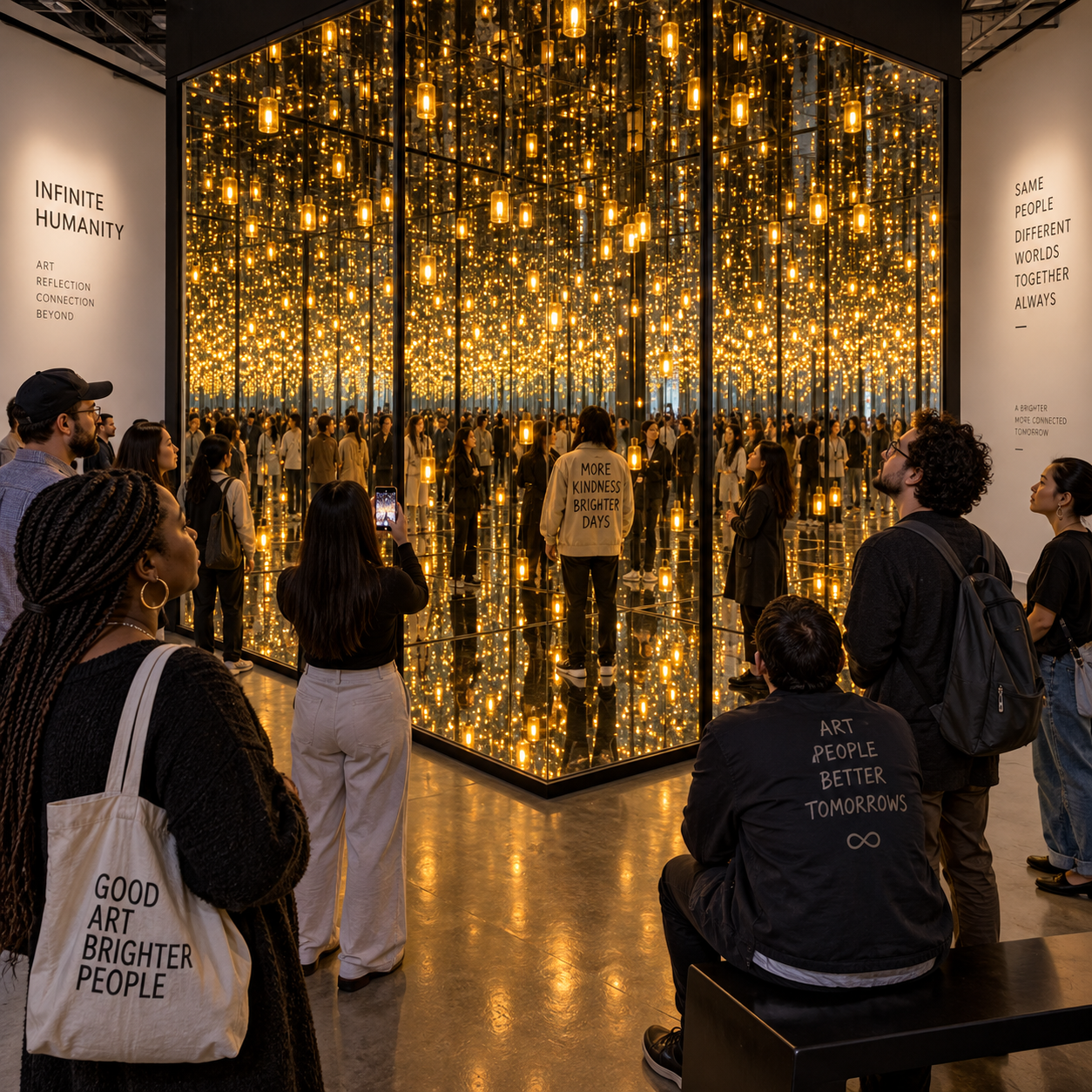
Crowdfunding is changing how people relate to museums and galleries. Instead of receiving culture as a finished product, audiences can help bring a project into being, share its story, and feel connected to its public purpose. For arts institutions, that shift matters because attention, trust, and participation are increasingly as important as admission revenue.
The Art Gallery of Ontario’s Infinity Mirror Room campaign offers a useful example. It places a major contemporary art project within a broader conversation about community support, cultural accessibility, and the role of donor participation in shaping public experiences.
Why Crowdfunding Matters to Arts Institutions
Crowdfunding helps arts institutions combine financial support with public participation. It can complement grants, membership income, sponsorships, and major gifts while inviting a wider group of people into an institution’s mission.
Traditional arts funding often depends on a relatively small number of foundations, government bodies, corporations, and individual patrons. Those sources remain essential, especially for exhibitions, conservation, education, and long-term operations. Crowdfunding adds another layer: a campaign can turn a specific cultural goal into a visible, understandable invitation.
That specificity is powerful. A general appeal for institutional support may feel distant, while a campaign connected to an immersive artwork gives people something concrete to imagine. The public can understand what the project is, why it matters, and what their contribution helps make possible.
- Visibility: a focused campaign creates a clear story that people can share.
- Participation: supporters act before the exhibition or installation opens.
- Audience development: the institution can reach people who do not yet identify as regular museum visitors.
- Relationship building: contributions create an early point of contact with the gallery.
There is a limitation. Crowdfunding should not imply that public generosity alone must carry the cost of cultural infrastructure. Used responsibly, it broadens support; it does not replace public investment or institutional accountability.
From Donors to Participants: A New Model of Audience Engagement
Crowdfunding turns donors into participants by giving them a visible role in a shared cultural objective. Their involvement can continue through updates, social sharing, visits, conversations, and advocacy after the campaign ends.
This model changes the usual direction of museum communication. A gallery traditionally announces an exhibition, and visitors decide whether to attend. A crowdfunding campaign starts earlier. It asks audiences to respond to a possibility, explain its value to others, and help create the conditions for access.
Participation does not require a large donation. A modest contribution, a campaign share, or a message encouraging a friend can extend the project’s reach. The important point is that the audience receives a meaningful action to take, rather than simply being addressed as future ticket buyers.
A useful way to assess this relationship is the three-part participation test:
- Recognition: Can people quickly understand the project and see why it matters?
- Agency: Does the campaign give them a genuine way to help?
- Continuity: Will the institution keep communicating after the contribution is made?
When all three are present, donor participation can become a form of cultural belonging. The supporter may feel that the artwork’s arrival is partly a community achievement, even when the institution remains responsible for delivery and stewardship.
The Infinity Mirror Room Campaign at the AGO
The AGO’s Infinity Mirror Room campaign connects public fundraising with the goal of bringing an immersive contemporary artwork to a major art gallery. It shows how a specific installation can become a focal point for audience engagement and community support.
An Infinity Mirror Room is especially suited to this kind of campaign because its appeal is immediate and experiential. People do not need extensive knowledge of contemporary art to understand the invitation: they can imagine entering a space of light, reflection, repetition, and altered scale. That accessibility gives the campaign a strong starting point for reaching beyond established collectors and frequent museum members.
The campaign also frames the Art Gallery of Ontario as a place where public experiences are built collectively. Supporters are not simply funding an abstract institutional objective. They are helping create the conditions for an encounter that may introduce first-time visitors to the AGO, contemporary art, and the gallery’s wider programme.
Careful language remains important. A responsible discussion of the campaign should distinguish between its purpose and any verified results. Without confirmed figures, institutions and commentators should avoid claiming specific fundraising totals, attendance increases, or demographic outcomes. Trust grows when the public can separate what has been promised, what has been raised, and what has been delivered.
Why Immersive Art Inspires Collective Support
Immersive art inspires collective support because it promises a shared experience that is easy to picture, discuss, and remember. The work can attract curiosity from people who might not respond to a conventional exhibition appeal.
Infinity Mirror Rooms work particularly well in social environments. Visitors often experience them together, compare impressions, and share images or descriptions afterward. That social quality gives the campaign a built-in conversational dimension. The artwork becomes both a destination and a topic.
Immersive contemporary art can also lower the threshold for entry. A visitor does not need to identify as an art specialist to feel entitled to explore a reflective environment. This does not make the work simplistic; it creates several points of access. Some visitors may focus on perception and space, while others may consider technology, repetition, self-image, or the changing relationship between artwork and audience.
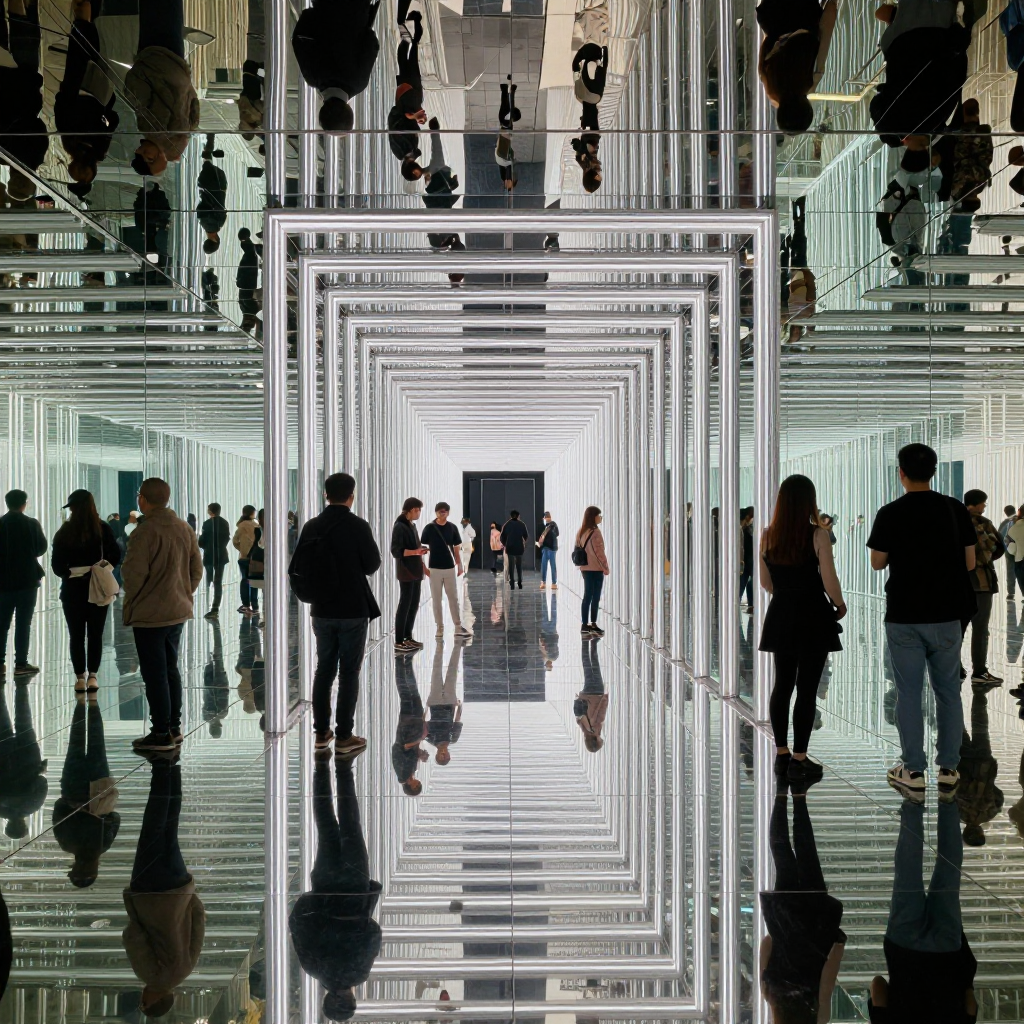
That broad appeal has practical value for audience development, but it comes with responsibilities. An institution must provide enough context for deeper engagement without turning the campaign into an academic lecture. It must also consider queues, timed entry, photography rules, sensory needs, and physical access. A compelling image attracts attention; inclusive planning determines whether people can genuinely participate.
Building Trust Through Transparency and Shared Purpose
Arts crowdfunding becomes credible when institutions explain the goal, the use of funds, and the next steps in plain language. Transparency lets supporters judge the campaign on its real merits rather than on excitement alone.
A strong campaign should answer several practical questions:
- What specific project is being supported?
- Why is crowdfunding being used alongside other funding sources?
- Which costs will contributions help address?
- What happens if the target is exceeded or not reached?
- How will supporters receive progress updates?
- What access, recognition, or public benefit will the project provide?
These details do not weaken an emotional story. They make the story believable. Supporters want to know that their contribution has a defined role and that the institution understands its duty to report progress honestly.
Campaigns should also avoid false urgency, exaggerated promises, and language that treats donation as a moral test. The strongest invitation is clear about both value and limits: this is the project, this is why it matters, this is how support helps, and this is what the institution remains responsible for.
For donors, a quick credibility check helps. Look for the gallery’s official campaign information, named project details, secure payment options, privacy terms, and updates from the institution itself. The Government of Canada’s heritage resources provide useful context for understanding the public role of cultural organizations.
Reaching Audiences Beyond the Traditional Museum Visitor
Digital storytelling and inclusive language help crowdfunding campaigns reach younger, online, and first-time audiences. The campaign can meet people where they already discover culture: social platforms, email, video, group chats, and creator-led conversations.
Effective outreach usually combines several formats. A short video can show the emotional promise of an immersive work. A concise explainer can clarify the funding goal. Behind-the-scenes material can introduce the people planning access, installation, interpretation, and visitor services. Each format answers a different question.
Language matters just as much as distribution. Terms such as patron, benefactor, and collector may unintentionally signal that a campaign belongs to an elite audience. Inviting people to help make contemporary art available to the public creates a wider frame. It emphasizes contribution without assuming prior knowledge or wealth.
Institutions can also design communications for sharing. A supporter should be able to explain the project in one sentence, find a clear donation link, and understand what happens after clicking. At the same time, digital reach should not become a substitute for accessibility. Offline information, multilingual materials, accessible web design, and non-financial ways to participate all matter.
The most useful measure is not simply how many people saw a post. Institutions should examine whether people understood the project, returned for updates, visited the gallery, joined a programme, or continued engaging with contemporary art.
What Crowdfunding Means for the Future of Museums
Crowdfunding may shape museums by making public participation part of a project’s planning, communication, and long-term stewardship. It can create stronger relationships, but only when institutions treat supporters as a community rather than a list of transactions.
The AGO’s Infinity Mirror Room campaign illustrates a wider possibility: a cultural project can begin before the gallery doors open. People can encounter the idea online, discuss its importance, contribute at different levels, and arrive with a sense of anticipation. That sequence gives audience engagement more time to develop.
There are trade-offs. Campaigns can favour projects with immediate visual appeal over conservation, research, education, or less photogenic forms of cultural work. They can also create pressure to measure success through donation counts and online attention. A balanced institution will protect quieter priorities while using crowdfunding selectively for projects that benefit from public storytelling.
The future model is therefore likely to be mixed. Public funding, earned income, philanthropy, memberships, partnerships, and crowdfunding each serve different purposes. The strongest arts institutions will explain those relationships openly and connect fundraising to cultural accessibility rather than treating participation as a marketing shortcut.
Frequently Asked Questions About Arts Crowdfunding
What is arts crowdfunding?
Arts crowdfunding is a fundraising approach in which many people contribute to a defined cultural project, often through an online campaign. It combines financial support with public storytelling and participation.
Why do art galleries use crowdfunding campaigns?
Art galleries use crowdfunding to complement traditional funding, test public interest in a specific project, and invite wider audiences to support an exhibition, artwork, programme, or access initiative.
How can crowdfunding help institutions reach new audiences?
Campaigns use accessible stories, social sharing, and low-barrier participation to reach people who may not be regular museum visitors. The relationship can continue through updates, events, memberships, and future visits.
What makes an arts crowdfunding campaign effective?
An effective campaign has a clear goal, credible information, inclusive language, realistic expectations, convenient contribution options, and regular updates explaining progress and public benefit.
How can people support the AGO’s Infinity Mirror Room campaign?
People should use the Art Gallery of Ontario’s official campaign or donation channels to review current information and available ways to contribute. Depending on the campaign terms, support may include donating, sharing the project, or engaging with related AGO programmes.